
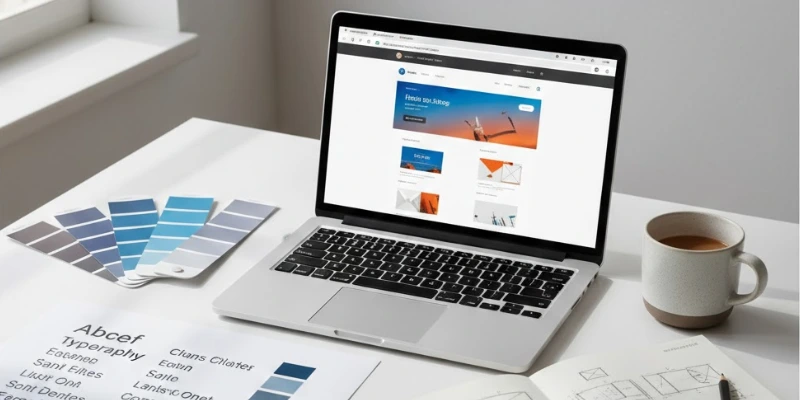
Many people step into design because they enjoy visuals, colors, or creative tools, but staying in the field needs more than that. Real design work comes with deadlines, client feedback, and constant learning. When beginners explore options like Graphic Design Courses in Trichy, they often realize that success depends on a mix of creative thinking, technical comfort, and everyday work habits. Graphic design is less about talent alone and more about building skills that hold up in real projects and interviews.
Visual thinking and basic design sense
A graphic designer must understand how visuals communicate ideas. This includes spacing, balance, contrast, and alignment. You don’t need to memorize theory, but you should know when something looks crowded or confusing. Visual thinking grows by observing posters, apps, websites, and even product packaging. Over time, you start noticing what works and what doesn’t. This awareness helps you explain design choices instead of guessing or copying styles blindly.
Comfort with design tools
Design software is part of daily work, not a special skill. Whether it’s image editing or layout tools, designers are expected to move fast without fighting the interface. Shortcuts, layers, and file formats matter more than fancy effects. Employers don’t expect perfection, but they do expect comfort. Being slow with tools often affects deadlines. Regular practice makes tools feel natural, which frees your mind to focus on ideas rather than buttons.
Understanding typography and layout
Fonts do more than display text. They set tone, guide reading, and shape the message. Designers need to know how to pair fonts, manage spacing, and control line length. Layout skills help organize content so users don’t feel lost. This is especially important for posters, ads, and social media visuals. Good typography often goes unnoticed, but bad typography stands out immediately and can weaken even strong visuals.
Communication and feedback handling
Designers rarely work alone. They interact with clients, marketers, developers, and managers. Explaining why a design works is part of the job. Feedback can be unclear or emotional, and learning to handle it calmly is essential. Designers who listen well and ask the right questions save time and reduce revisions. These soft skills are often discussed during Digital Marketing Course in Trichy, where design and messaging must align clearly.
Awareness of branding and consistency
Good design supports a brand instead of overpowering it. Designers must follow brand colors, fonts, and style rules across platforms. Consistency builds trust with users. Jumping between styles may look creative but can confuse audiences. Understanding brand guidelines also helps when working on long-term projects. Interviewers often ask how designers maintain consistency while still keeping designs fresh and relevant.
Problem-solving mindset
Design is about solving visual problems, not decorating screens. A designer must understand the goal before starting. Is the design meant to inform, attract, or guide action? Each goal needs a different approach. Problem-solving skills help designers adjust layouts, colors, or formats based on real needs. This mindset becomes valuable in professional spaces connected to Graphic Design Courses in Erode, where businesses expect designs to support clear outcomes.
Time management and adaptability
Design work often comes with tight timelines and sudden changes. Being creative under pressure is a learned skill. Designers must manage multiple files, revisions, and versions without losing control. Trends also change fast, so staying flexible matters. Learning new styles, formats, or platforms keeps designers relevant. Adaptability shows employers that you can grow with the role rather than get stuck in one way of working.
Graphic design success comes from combining creative skills with practical habits. Knowing tools, managing feedback, and thinking clearly under pressure all shape a strong career. Designers who understand how visuals support business goals stand out in interviews and teams. As creative roles continue to blend with marketing and technology, paths that connect design thinking with areas Digital Marketing Course in Erode help designers stay future-ready and confident in evolving workplaces.
Also Check: Simple And Impressive Graphic Design Techniques